Why adding designers doesn't always solve the problem
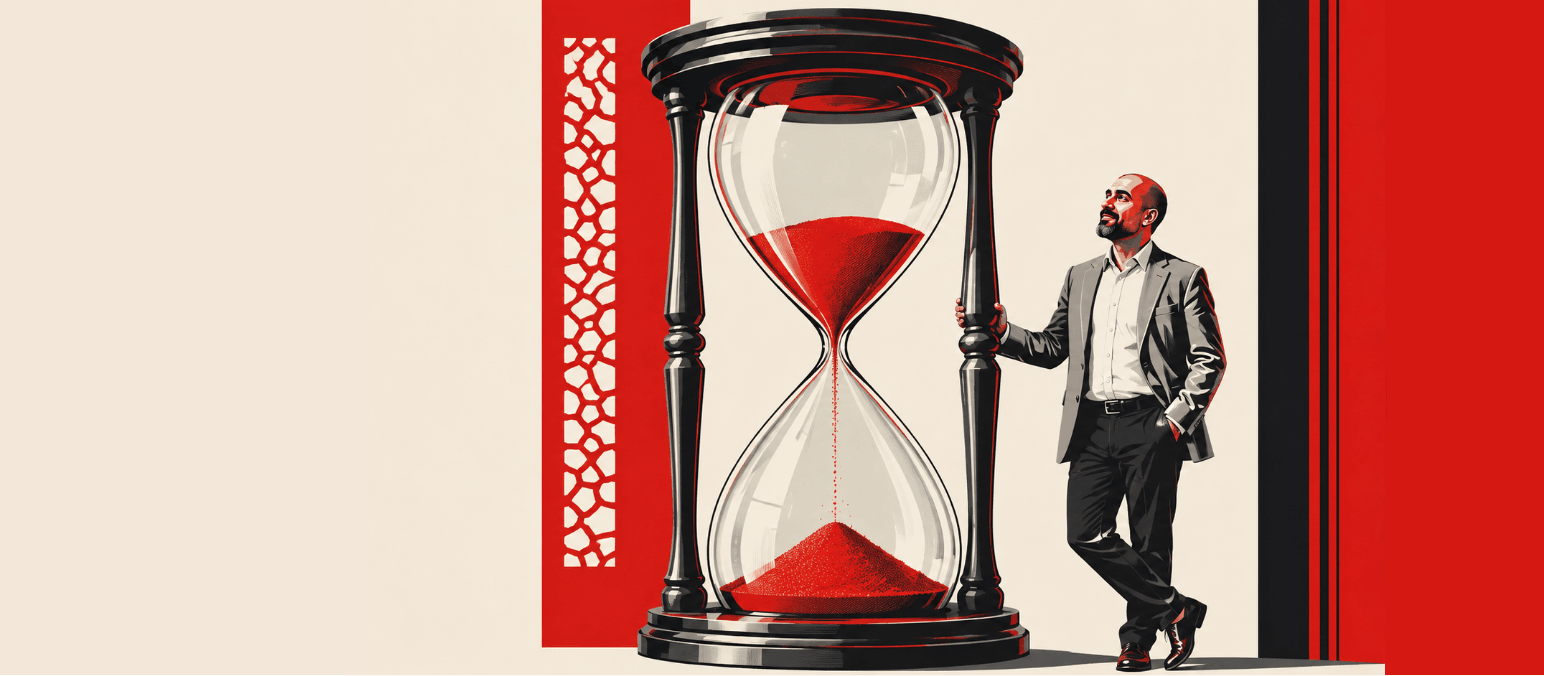
When a design team struggles to meet demand, the obvious response is to hire more designers. But that assumes the problem is insufficient capacity rather than how effectively the existing team works.
Designers can be talented, hardworking, and committed to doing good work, yet still operate in isolation. They may approach similar problems differently, move into execution too early, repeat work, or struggle to align stakeholders. Adding more people increases capacity, but it doesn't automatically address these problems.
I've seen design leadership excluded from projects because senior people have higher billing rates and don't produce the same volume of individual deliverables. From a project's immediate financial perspective, another designer can seem like the better investment.
But that calculation overlooks what an experienced leader can contribute to the entire team.
3 ways design leadership improves a team
1. Better decisions and better design work
A design leader maintains context across projects, helps designers choose appropriate methods, and ensures that problems are understood before solutions are developed.
A designer under pressure to deliver may start designing before fully understanding the problem. An experienced leader asks the questions that might otherwise be missed: What are we actually solving? What evidence supports our assumptions? What objections might stakeholders raise?
I once shared a story from my time at the Services Selection Board in Bangalore. A candidate who couldn't swim anticipated that he might be asked what he would do if someone drowned during a picnic. His answer was to take an inflatable tube.
I used that story to teach designers to anticipate stakeholder questions before meetings and prepare evidence to support their recommendations. Instead of simply telling them to be prepared, I gave them a memorable example of how to think ahead.
This is one way a leader improves the quality of the team's work without personally producing every deliverable. Better questions and better preparation can lead to better decisions.
2. Stronger designers who become more independent
Design leadership isn't just about improving today's output. It's also about developing the team's ability to produce better work in the future.
At GlobalLogic, I worked with a designer whose background was in visual design but who wanted to learn UX. I gave him an assignment that allowed him to experiment in a safe environment. I reviewed his work, explained what he had done well, and identified where he needed to improve. As his capability grew, I gradually introduced him to the project team in a formal UX role.
The important part wasn't simply encouraging him to learn. It was creating an opportunity to practise, providing useful feedback, and giving him greater responsibility as his skills developed.
Good leaders do this repeatedly. They share experience, coach designers through difficult situations, and help them develop the judgment to work independently. The goal is not to make the team dependent on the leader, but to make it progressively more capable.
3. A Design Leader Is an Expense That Pays Back Disproportionately More
The cost of a design leader is visible in the budget. The cost of working inefficiently is scattered across rework, delays, missed opportunities, and additional hiring. Investing in design leadership is an upfront cost that can generate returns over time through better decisions, more efficient processes, and a stronger, more independent team.
Imagine a team of ten designers struggling to meet demand. The organisation hires three more, and the team manages to keep up. But the underlying inefficiencies remain: unnecessary iterations, inconsistent processes, poorly understood problems, and avoidable stakeholder friction.
An experienced design leader might address these issues and help the existing team deliver more effectively. Depending on the results, the organisation might be able to defer some additional hiring or meet more demand with the same resources.
This is not a guarantee. A leader cannot increase efficiency indefinitely, and a team with genuinely insufficient capacity will still need more designers. Often, the right answer is a combination of leadership and additional hiring.
The cost of a design leader is visible in a budget. The cost of working inefficiently is often scattered across rework, delays, and additional staffing.
Before hiring, understand the constraint
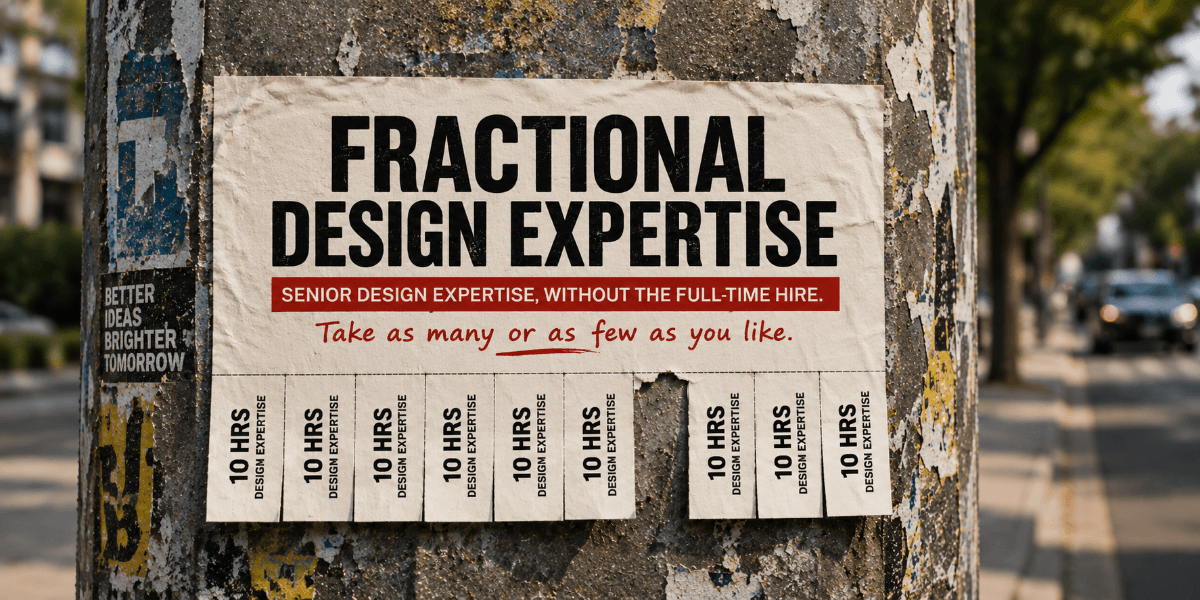
Not every design team needs a dedicated design manager. Sometimes the team genuinely needs more people. Sometimes it needs better processes, clearer direction, or more experienced guidance. Sometimes it needs both.
The important thing is to understand which problem you're trying to solve before deciding how to solve it.
More designers add capacity. Good design leadership helps turn that capacity into better decisions, stronger people, and more effective delivery.
Before deciding who to hire next, ask yourself: Are your existing designers getting the leadership they need to do their best work?